
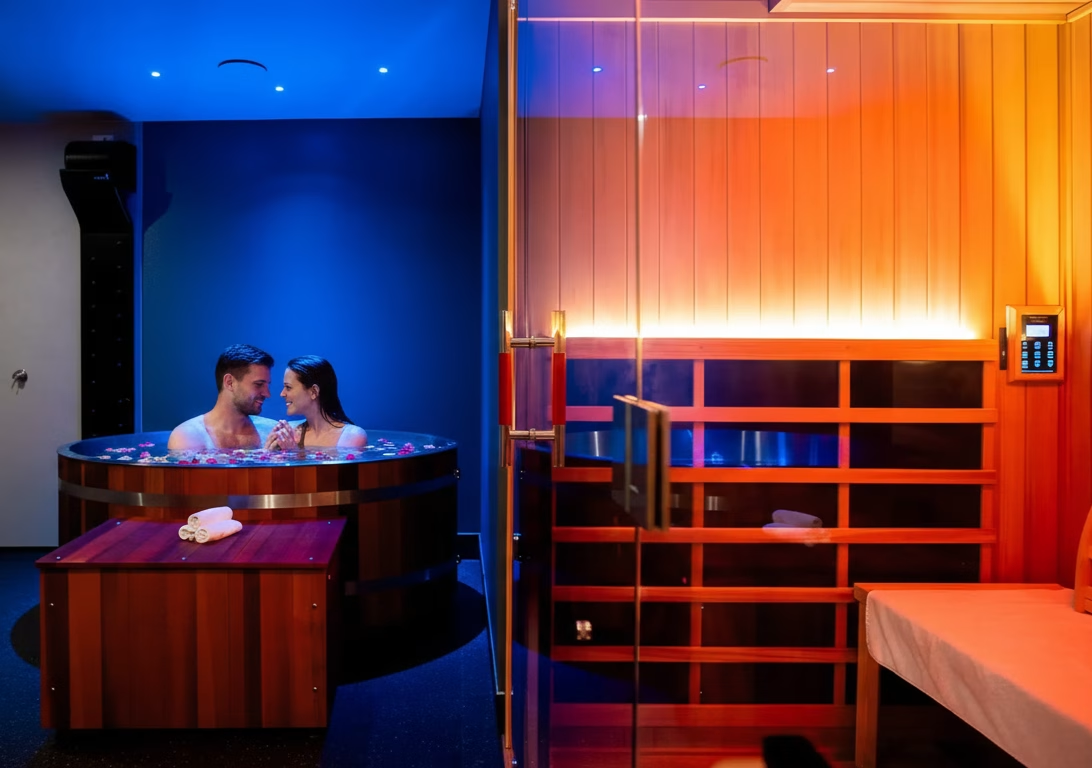
Forget the chocolates and the candlelit dinners, if you really want to spark a connection that lasts, it might be time to get a little chilly. At The Floatation Sanctuary Recovery Centre, we are dedicated to the science of stillness and the transformative power of the elements. While our float pods offer a deep journey into your internal world, our ice baths provide a different kind of magic: a neurochemical cocktail that acts like a real-world love potion.
According to renowned anthropologist Dr Helen Fisher, love isn’t just a “feeling”, it is a set of three distinct brain systems: Lust, Romance, and Attachment.
The incredible news? A shared session in the ice can trigger every single one of them.
The Chemistry of Connection
When you and your partner step into the cold together, you aren’t just testing your grit; you are rewiring your brains for intimacy. Here is how the “Big Three” of love are activated by the frost:
1. Lust & Desire (The Testosterone Boost)
It is a common myth that the cold “shuts things down.” In reality, when followed by movement, cold exposure is a powerhouse for testosterone in both men and women. Research shows that women actually have higher concentrations of testosterone than oestrogen, and it is the primary driver of libido. By plunging and then warming up with movement, you are stoking the fire of physical desire.
2. Romance & Obsession (Dopamine & Noradrenaline)
Ever wonder why you feel that “spark” or “crush” feeling? That is dopamine and noradrenaline at work. An ice bath can boost these levels by up to 200–300%. This surge creates a sense of euphoria and focused attention. When you are in the cold with your partner, your brain begins to associate that massive neurochemical “high” with the person standing right next to you.
3. Attachment & Bonding (Oxytocin & Vasopressin)
Oxytocin is often called the “cuddle hormone.” It is what makes us feel safe, protected, and deeply bonded. Interestingly, oxytocin is essential for the body to regulate temperature in the cold. While the science is still unfolding, the physiological response to the cold (like vasoconstriction) is driven by vasopressin. Together, these chemicals help weave a net of safety and long-term commitment between partners.
The “Love Potion” Protocol: How to Plunge Together
To turn a cold dip into a transformative relationship tool, you need more than just freezing water. You need intention. Next time you are visiting us at The Floatation Sanctuary, try these four steps to enhance your bond:
Make Physical Contact: Hold hands or rest a hand on your partner’s shoulder. Touch synchronises neural activity and signals to the nervous system that you are safe and supported.
Synchronise Your Breath: Instead of panicking individually, find a rhythm together. Breathing in unison creates a profound “physiological synchronicity” that is a powerful predictor of attraction.
The Two-Minute Gaze: This is where the magic happens. Look into each other’s eyes for the duration of the plunge. Eye-gazing for just two minutes has been proven to increase feelings of warmth and attraction, imagine the impact when shared with someone you love.
Rewarm Together: After you hop out, move your bodies. If the Taranaki sun is out, even better! UVB light further stimulates those passion-inducing hormones, capping off the experience perfectly.
Why It Works
Life gets busy, and sometimes the “spark” gets buried under chores, bills, and daily stress. The ice bath demands total presence. It strips away the noise and leaves you with nothing but your breath and your partner. At The Floatation Sanctuary Recovery Centre, we believe that shared vulnerability melts away resentment and replaces it with a shared victory.
Whether you are looking to deepen a new flame or reignite a long-term connection, the cold might be exactly what you need to feel the heat again.
Ready to take the plunge?
Experience the benefits for yourself with our cold therapy sessions, designed to support recovery, resilience, and revitalisation.